

Your cloud infrastructure should support your business goals without unnecessary cost, complexity, or operational risk. Aurex One helps businesses explore AWS cloud consulting services for cloud migration planning, infrastructure architecture, security, and performance improvements. Whether you’re preparing your first AWS deployment or reviewing an existing environment, the right AWS cloud solutions begin with understanding your workloads, technical requirements, and long-term priorities.
Make informed infrastructure decisions with a practical AWS cloud strategy consulting approach. We assess your business requirements, current systems, workload dependencies, and cloud readiness to identify suitable AWS options. The objective is a realistic roadmap that connects technical decisions with your operational and financial priorities.

Moving applications to AWS requires more than transferring files and servers. AWS cloud migration consulting evaluates application compatibility, databases, network dependencies, and potential downtime. A structured AWS migration planning process helps determine which workloads can be moved, which require changes, and how the migration should be validated.

Build an infrastructure plan around your application requirements. AWS architecture consulting services can cover compute, storage, databases, networking, and account organization. Architecture decisions may consider services such as Amazon EC2, Amazon S3, Amazon RDS, and AWS Lambda, depending on workload suitability, cost, and operational requirements.

Cloud security starts with clear responsibilities and appropriate access controls. An AWS security assessment can review identity permissions, logging, data protection, and configuration risks. Effective AWS IAM and security practices, together with cloud governance, help organizations manage access and establish consistent operational policies.

Cloud spending should reflect actual business needs. AWS cloud optimization consulting examines resource utilization, billing patterns, performance requirements, and opportunities to reduce waste. Through AWS cost optimization, organizations can identify oversized resources, unused services, and purchasing options that may offer a better fit.

Repeatable deployments can improve consistency and simplify infrastructure management. AWS DevOps consulting may involve deployment workflows, configuration management, and infrastructure as code using suitable tools. Services such as AWS CloudFormation and Amazon CloudWatch can support infrastructure provisioning and operational visibility when appropriate.

A successful AWS initiative starts with understanding your current environment before selecting services or making infrastructure changes.
We begin by reviewing your business objectives, applications, infrastructure, and current challenges. A cloud readiness assessment identifies important dependencies, migration considerations, operational requirements, and the resources needed to support your cloud strategy.
Next, we evaluate infrastructure options, network requirements, access controls, and application dependencies. An AWS architecture assessment helps identify possible design risks, while a migration roadmap outlines workload priorities, implementation requirements, and validation criteria.
Implementation follows the approved project scope and technical design. Depending on the engagement, AWS implementation services may involve configuring infrastructure, connecting applications, setting up monitoring, or preparing an AWS landing zone for governed account management.
Before production use, infrastructure changes should be reviewed against performance, security, reliability, and operational requirements. AWS monitoring and observability can help teams understand application behavior and identify issues. Any continued optimization or support arrangements should be confirmed during project planning.
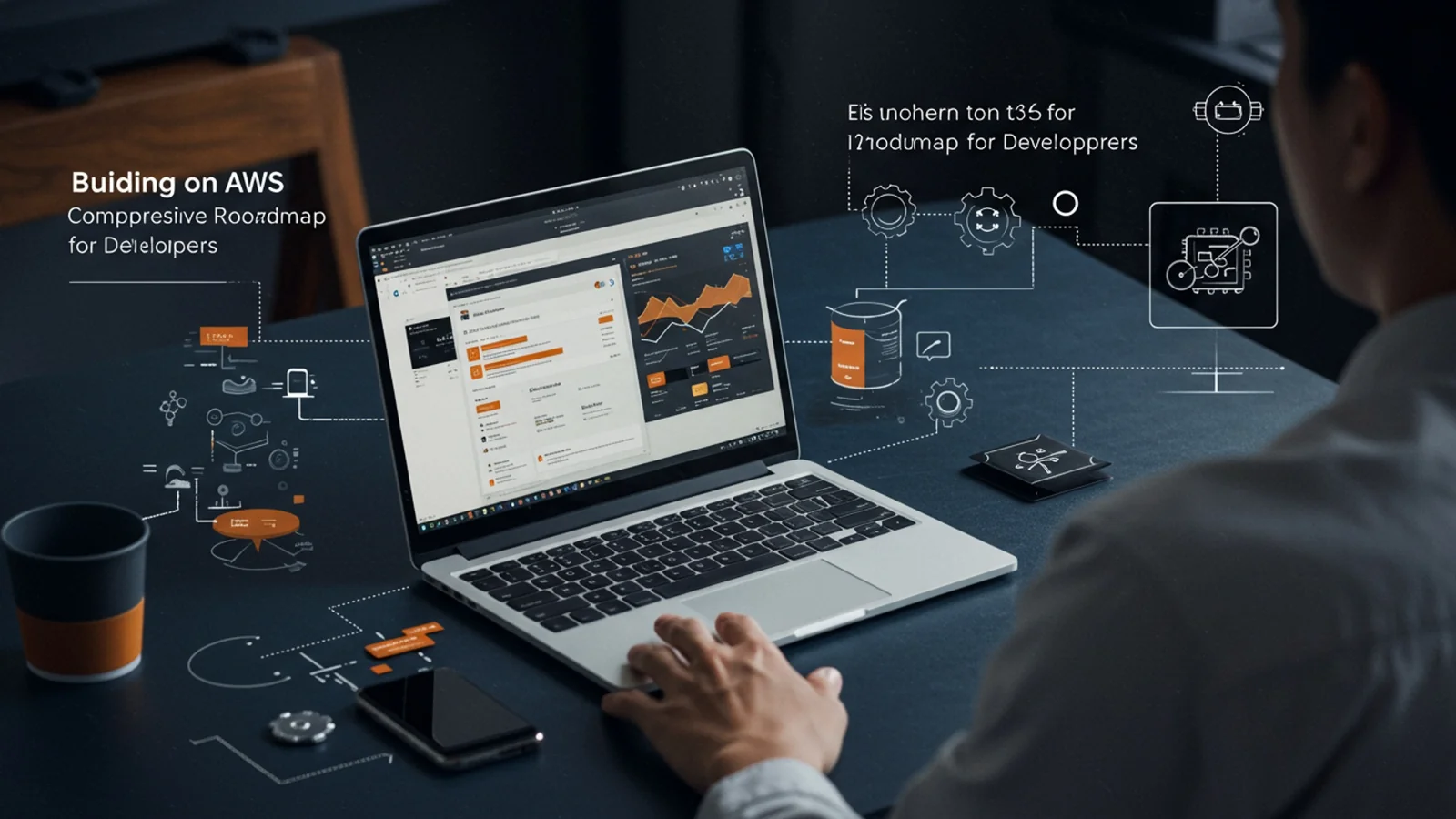
Review cloud readiness, migration risks, security requirements, performance, and long-term AWS operational needs.
Whether you’re planning a migration, improving an existing AWS workload, or reviewing cloud costs, your next step should begin with a clear understanding of your current infrastructure.
Aurex One can discuss your business requirements and help explore suitable AWS cloud consulting services for your project.
Cloud infrastructure should be selected around the applications, people, and processes it needs to support.
Aurex One’s approach to Amazon Web Services consulting emphasizes understanding workload requirements, evaluating technical dependencies, and identifying practical infrastructure options before recommending implementation.
Rather than introducing unnecessary services, the focus is on making informed decisions about security, reliability, performance, and ongoing operating costs.

Explore how AWS cloud consulting services can support different infrastructure and application requirements.
Plan the transition of eligible applications and infrastructure to AWS while evaluating opportunities for cloud-native application modernization.
Assess AWS compute, database, and storage options for applications with changing usage and performance requirements.
Review resource consumption, billing visibility, and usage patterns through AWS FinOps consulting principles.
Evaluate identity permissions, account organization, monitoring, and data protection requirements.
Explore AWS disaster recovery planning around recovery objectives, backups, dependencies, and appropriate restoration testing.
Assess automated deployments, configuration consistency, and cloud infrastructure automation opportunities for development and operations teams.
A well-planned AWS environment considers more than individual cloud services. It also requires decisions about reliability, operational visibility, access management, cost, and future maintenance.
The AWS Well-Architected Framework provides a useful reference for evaluating cloud workloads across six pillars: operational excellence, security, reliability, performance efficiency, cost optimization, and sustainability.
For businesses considering AWS cloud consulting services, these principles can help guide discussions about infrastructure improvements and long-term cloud planning.
AWS cloud consulting services help businesses assess, plan, design, migrate, and optimize workloads using Amazon Web Services. Consulting may cover infrastructure architecture, cloud strategy, security, cost management, and operational requirements.
Experienced AWS cloud consultants can help organizations evaluate technical options, identify infrastructure risks, and plan cloud changes. Consulting is particularly useful when internal teams need additional expertise for complex migration, security, or architecture decisions.
The cost of AWS consulting services depends on project scope, workload complexity, assessment needs, migration requirements, and ongoing responsibilities. Consulting fees should be evaluated separately from AWS infrastructure charges and third-party software costs.
Yes. AWS cloud consulting for small businesses can help evaluate hosting options, spending controls, backups, and security requirements. However, small organizations should also compare managed platforms and simpler alternatives before adopting infrastructure they may not need.
AWS consulting services for startups can support early architecture decisions, cloud budgeting, and application deployment planning. The priority should be a manageable environment that supports current product needs without unnecessary complexity.
A cloud readiness assessment evaluates an organization's applications, infrastructure, people, processes, and operational requirements before cloud adoption. It helps identify migration dependencies, skills gaps, risks, and planning priorities.
An AWS cloud migration strategy for businesses typically starts with assessing applications and dependencies. The team then selects migration approaches, prepares the target environment, tests functionality, and plans the transition. Some applications may require modernization before or after migration.
Migration timelines depend on workload size, application dependencies, data volume, compliance requirements, testing, and acceptable downtime. A small application may be simpler to migrate than an interconnected enterprise environment.
The AWS Well-Architected Framework is AWS guidance for evaluating workloads against six architectural pillars: operational excellence, security, reliability, performance efficiency, cost optimization, and sustainability. It supports structured architecture reviews and improvement planning.
An AWS landing zone is a configured multi-account cloud environment intended to support account structure, security, governance, and operations. AWS Control Tower can help establish and govern such environments when a multi-account strategy is appropriate.
Amazon EC2 provides virtual server capacity that customers configure and manage. AWS Lambda runs code in response to supported events without customers managing the underlying servers. The appropriate service depends on application behavior, runtime requirements, cost, and operational preferences.
Amazon S3 provides object storage for files and other data. Amazon RDS is a managed relational database service. Their roles are different, and application architecture determines whether one or both are needed.
AWS cost optimization starts with understanding spending and actual usage. Common activities include identifying idle resources, right-sizing infrastructure, reviewing storage choices, and evaluating suitable pricing commitments. Changes should preserve required performance and reliability.
AWS FinOps consulting focuses on improving financial accountability for cloud usage. It can involve cost allocation, budgets, reporting, forecasting, and collaboration between engineering, finance, and business stakeholders.
AWS follows a shared responsibility model. AWS is responsible for security of the underlying cloud infrastructure, while customers retain responsibilities that vary by service, including aspects of identity, configuration, applications, and data protection.
AWS IAM manages identities and permissions for accessing AWS resources. AWS Organizations helps businesses centrally organize and govern multiple AWS accounts. Together, they can contribute to an appropriate identity and account-management strategy.
Yes. AWS CloudFormation enables AWS resources to be defined through templates and provisioned in a consistent way. It is one approach to infrastructure as code, which can help teams manage repeatable configurations and changes.
Amazon CloudWatch provides monitoring and observability capabilities such as metrics, logs, and alarms for supported AWS resources and applications. Teams can use this information to investigate operational behavior and respond to selected events.
Yes. AWS offers services and architectural options that can support backup and disaster recovery strategies. An effective plan defines recovery time and recovery point objectives, identifies dependencies, and tests restoration procedures.
Yes. Cloud-native application modernization may involve updating application components, changing deployment approaches, improving data architecture, or adopting managed services. Modernization should be justified by business requirements and technical benefits.
AWS consulting services usually focus on assessments, design, planning, or specific implementation projects. Managed services involve ongoing operational responsibilities such as monitoring, incident response, and maintenance. The exact scope depends on the provider agreement.
Choose an AWS cloud consulting company based on relevant technical experience, clear project deliverables, security practices, architecture recommendations, and transparent pricing. Ask about qualifications, responsibilities, documentation, support terms, and whether the provider holds any AWS credentials it claims.
Whether you’re exploring cloud migration, reviewing infrastructure costs, or preparing a new application environment, a clear plan helps you make better decisions.
Share your current infrastructure, business priorities, and technical challenges with Aurex One. Let’s discuss how AWS cloud consulting services could fit your next project.
Partner with us to create intelligent, impactful, and future-ready AI solutions together.
Copyright © 2026 Aurex One™. All rights reserved.